Latest EV charging station technologies and power segment classification

a row of doors with windows

EV charging pile technology evolution

Since its inception, electric vehicle (EV) charging technology has undergone several stages of development, each overcoming different technical obstacles and continuously driving its progress. Early charging stations typically had low power and slow charging speeds, severely hindering the widespread adoption of EVs. With technological advancements, charging speeds have significantly improved, but compatibility and usability issues persist. The earliest charging stations only supported specific EV models, leaving users facing challenges due to inconsistent specifications.

With the parallel development of EV battery technology, charging station technology has gradually achieved new breakthroughs. Increased battery capacity necessitates higher-power charging stations, leading to the emergence of high-power fast charging technology. The application of fast charging technology not only shortens charging time but also improves the user experience. In fact, the shortcomings of early technology, such as uneven distribution of charging stations and lack of standardized systems, paved the way for the standardization and widespread adoption of charging technology today.

Current EV charging station technology has largely overcome many of the early obstacles. By employing advanced power electronics technology and intelligent control systems, modern charging stations are characterized by high speed, high efficiency, safety, and stability, while also achieving compatibility with multiple charging standards, such as CCS, CHAdeMO, and national standards. Overall, the evolution of EV charging station technology is closely related to the development of electric vehicles, jointly promoting the popularization of clean energy transportation.

In summary, the history of EV charging station technology demonstrates the mutually reinforcing process of technological progress and market demand. Through continuous optimization and innovation, current charging stations not only meet the needs of different types of electric vehicles but are also constantly moving towards greater efficiency, greener performance, and intelligence.

Analysis of Current Advanced Charging Technologies

Against the backdrop of the ever-expanding electric vehicle (EV) market, advanced charging station technology is rapidly evolving to meet the growing demand. Firstly, many modern EV charging stations utilize efficient and durable materials such as metal alloys and insulating polymers. These materials not only extend the lifespan of the charging stations but also enhance their conductivity and safety.

Regarding transformer technology, advanced EV charging stations are typically equipped with high-frequency, high-efficiency transformers. These transformers can better regulate current, reduce energy loss, and effectively reduce heat generated during charging. Furthermore, heat dissipation technology has also been significantly improved. Modern charging stations use efficient heat dissipation mechanisms, including liquid cooling and air cooling systems, to ensure continuous operation without overheating during peak charging periods.

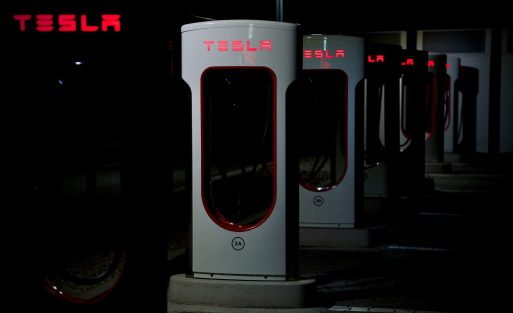
In terms of charging protocols, commonly used protocols in the market include CHAdeMO, CCS, and Tesla Superchargers. The CHAdeMO protocol is primarily used in the Japanese and European markets and excels at providing fast charging services. The Integrated Charging System (CCS) is widely used in the European and American markets and is highly regarded for its strong compatibility and standardized approach. Tesla Superchargers, due to their dedicated charging network and high charging power (up to 250kW), also have a large user base worldwide. The development of new energy sources has driven advancements in charging technologies, with policy support and market demand jointly accelerating the optimization of charging infrastructure. For example, Tesla’s newly launched V3 Supercharger employs a new patented cooling technology, resulting in higher charging efficiency and shorter charging times. Furthermore, NIO’s battery swapping service offers a new and faster charging experience through quick battery replacement.

These technological advancements not only improve the ease of use of electric vehicles but also lay a solid foundation for the future development of new energy transportation. Through continuous technological innovation and optimization, electric vehicle charging stations will become more efficient, convenient, and safe.

Power segment division and application scenarios

Electric vehicle charging stations can be categorized into several types based on their power output, primarily including slow charging and fast charging. Slow charging typically refers to AC slow charging (Alternating Current slow charging), with a charging power generally between 3.5 kW and 7 kW. AC slow charging is slower and is generally suitable for home use or long-term parking locations, such as residential areas and some public parking lots. In such scenarios, vehicles can be parked for extended periods without needing rapid recharging.

In contrast, fast charging refers to DC fast charging (Direct Current fast charging), with a power range typically of 50 kW and above. DC fast charging technology significantly reduces charging time, allowing vehicles to regain driving capability in a short time. This type of charging station is ideal for highway service areas and fast charging stations, meeting the needs of long-distance driving and emergency use. It’s worth noting that fast charging technology has higher requirements for the power grid, with stricter standards for power supply reliability and energy management.

Different charging station technologies and application scenarios each have their advantages and disadvantages. Slow charging technology is relatively mature and inexpensive, suitable for everyday home charging, but the longer charging time cannot meet the needs of rapid travel. Fast charging technology offers a significant advantage in speed, but its equipment and installation costs are higher, and it has a greater impact on the instantaneous load of the power grid, especially with the rapid increase in the adoption of electric vehicles, posing a challenge to the entire power system.

In terms of market distribution, slow charging stations have a higher penetration rate due to their affordability and ease of installation, particularly in private residences and some corporate parking lots. While fast charging stations are fewer in number, their numbers are gradually increasing to meet the growing market demand and the rapid development trend of new energy vehicles.

In conclusion, the diversification of power ranges and the appropriate selection of applicable scenarios are of great significance for improving the electric vehicle user experience and perfecting charging infrastructure.

The future outlook for EV charging technology focuses on several key areas, with high-power charging technology attracting particular attention. Ultra-Fast Charging is gaining traction, significantly reducing electric vehicle charging time, thus improving user experience and promoting EV adoption. Currently, charging stations with 350 kW and above have begun deployment in some areas, and higher-power commercial applications are expected in the future.

Another important trend is the development of wireless charging technology. Wireless charging, achieved through inductive coupling or magnetic resonance, is more convenient and user-friendly. Currently, this technology has made some progress in the trial and small-scale commercialization phases, and is expected to have wider applications in future scenarios, such as smart homes and public charging stations.

Smart charging networks are another important development direction. By applying Internet of Things (IoT) technology and big data analytics, smart charging networks can optimize the management of charging stations, improve charging efficiency, and reduce grid pressure. Smart networks can dynamically adjust charging power based on power demand and supply, and intelligently interact with EV owners to provide optimal charging solutions.

Policies and industry standards play a crucial role in driving the implementation of new technologies. Governments worldwide are developing and implementing policies to support the development of EV charging technology. These include subsidies, tax breaks, and standardized charging protocols, encouraging more businesses and individuals to participate in the construction and use of EV charging stations. For industry standards, global consistency and interoperability will be key priorities, contributing to a unified market environment.

Combining current market demands and technological bottlenecks, solutions and applications are becoming increasingly diversified. For example, addressing the issues of long charging times and insufficient charging stations, the advancement of ultra-fast charging and wireless charging technologies, along with the growing prevalence of smart charging networks, will be crucial future directions. These technological advancements not only improve user experience but also drive the sustainable development of the electric vehicle industry.

Micro inverters vs. String inverters : Which Is Right For You?

Solar String Inverters (String Inverter) and Micro Inverters (Micro Inverter) are two common inverter types used in solar PV systems, which are significantly different in design, application scenarios, and advantages and disadvantages. Below is a detailed comparison of these two types of inverters:

What is Solar String Inverter

String connection: Multiple solar panels are connected in series to form a “string”, similar to connecting multiple cells together to form a battery bank.

Centralized conversion: The power from these panels connected in series is centralized and sent to an inverter. This inverter converts the DC power generated by all these panels into AC power.

Core Function: The main function of the inverter is to convert the DC power generated by the solar panels into the AC power that we use in our daily lives, so that it can be supplied directly to our homes or fed to the grid.

Advantages of Solar String Inverters

  • Lower cost: Since one string inverter can be connected to multiple solar panels, the total system cost is lower.
  • Easy maintenance: Centralized management and maintenance reduces system complexity.
  • High efficiency: under ideal conditions (all panels receive the same sunlight and temperature), string inverters are more efficient.

Disadvantages of Solar String Inverters

  • Single point of failure risk: If one of the solar panels fails, it can affect the performance of the entire string.
  • Highly affected by shading: If one panel is shaded, the output power of the entire string can drop significantly.
  • Less flexible: System design and installation need to take into account the consistency of orientation and angle of all panels.

What is micro inverter

A microinverter is a small device mounted behind each solar panel whose main function is to independently convert the direct current (DC) generated by each panel into alternating current (AC). Here is a brief explanation of a microinverter:

Independent conversion function: Each solar panel has its own inverter, and this inverter independently converts the DC power from that panel to AC power. This means that each panel works independently and is not affected by other panels.

Advantages of micro inverter

  • INDEPENDENT OPERATION: Each panel operates independently from shadows or malfunctions in other panels, improving the overall reliability and performance of the system.
  • Optimized Output: Maximum Power Point Tracking (MPPT) is performed independently for each panel, ensuring that each panel operates at its optimum.
  • High flexibility: Flexible installation allows panels to be freely arranged according to the shape and angle of the roof.
  • Easy to monitor: often equipped with a more detailed monitoring system that allows real-time viewing of each panel’s performance.

Disadvantages of micro inverter

  • Higher cost: Higher initial investment due to the need to equip each panel with an inverter.
  • Complicated maintenance: decentralized installation of inverters makes troubleshooting and repairs potentially more complicated.

Applications of solar String Inverter and micro inverter

String inverters: suitable for large roof areas and consistent sunlight conditions, especially for commercial and large-scale solar power plants. Microinverter: for small residential solar systems with complex roof shapes, partial shading or where output needs to be maximized.

Summarize

The choice of inverter should be based on the needs, budget and installation conditions of the specific project. String inverters are low cost and easy to maintain, but are more affected by shadows; microinverters are more costly but stable and flexible. Understanding the advantages and disadvantages of both and the application scenarios will help make the optimal decision.

Illuminating the Future: Off-Grid PV Solar-Powered Systems

With 33 Years Of Experience, We Produce Furniture That Reflects Your Lifestyle

Access to reliable and sustainable energy is a fundamental human right. However, in remote and off-grid areas where conventional electricity infrastructure is absent, meeting this need can be a challenge. 

Off-Grid PV Solar-Powered Systems: An Overview
Off-Grid PV Solar-Powered Systems are designed to provide electricity in areas not connected to the centralized grid. These systems harness the power of the sun through photovoltaic panels and store excess energy in batteries for use during non-sunny periods.

Design Methodology and Efficiency
A study published in the IEEE Xplore titled “Design Methodology of Off-Grid Photovoltaic Solar Powered System for Remote Applications” emphasizes the importance of efficient design methodologies for Off-Grid PV systems[^0^]. It highlights the need for careful consideration of load requirements, system sizing, and the selection of components to ensure optimal performance and energy storage. This research underscores the significance of tailoring Off-Grid PV systems to the specific needs of remote areas, ensuring their reliability and sustainability.

Environmental Impact and Sustainability
Research published in MDPI Energies titled “Assessment of Environmental Benefits of Off-Grid Solar Photovoltaic Systems” underscores the environmental benefits of Off-Grid PV Solar-Powered Systems[^2^]. These systems significantly reduce greenhouse gas emissions, contributing to a cleaner and more sustainable energy future. The study highlights that Off-Grid PV systems not only provide electricity but also help combat climate change by reducing carbon emissions, making them a key player in the transition to a low-carbon economy.

Access to reliable and sustainable energy is a fundamental human right. However, in remote and off-grid areas where conventional electricity infrastructure is absent, meeting this need can be a challenge. 

Off-Grid PV Solar-Powered Systems: An Overview
Off-Grid PV Solar-Powered Systems are designed to provide electricity in areas not connected to the centralized grid. These systems harness the power of the sun through photovoltaic panels and store excess energy in batteries for use during non-sunny periods.

Design Methodology and Efficiency
A study published in the IEEE Xplore titled “Design Methodology of Off-Grid Photovoltaic Solar Powered System for Remote Applications” emphasizes the importance of efficient design methodologies for Off-Grid PV systems[^0^]. It highlights the need for careful consideration of load requirements, system sizing, and the selection of components to ensure optimal performance and energy storage. This research underscores the significance of tailoring Off-Grid PV systems to the specific needs of remote areas, ensuring their reliability and sustainability.

Environmental Impact and Sustainability
Research published in MDPI Energies titled “Assessment of Environmental Benefits of Off-Grid Solar Photovoltaic Systems” underscores the environmental benefits of Off-Grid PV Solar-Powered Systems[^2^]. These systems significantly reduce greenhouse gas emissions, contributing to a cleaner and more sustainable energy future. The study highlights that Off-Grid PV systems not only provide electricity but also help combat climate change by reducing carbon emissions, making them a key player in the transition to a low-carbon economy.

With 33 Years Of Experience, We Produce Furniture That Reflects Your Lifestyle

Economic Viability
A report from the Energy and Environment Research Center titled “Economic Viability of Off-Grid Photovoltaic Systems in Rural Areas” discusses the economic aspects of Off-Grid PV Solar-Powered Systems[^1^]. It explores various financing models and incentives that can make these systems more accessible and affordable, especially in rural and underserved areas. This research emphasizes the importance of economic viability in expanding the reach of Off-Grid PV systems to those who need it the most.

Off-Grid PV Solar-Powered Systems represent a beacon of hope for communities without access to conventional electricity grids. Their ability to provide clean and sustainable energy has the potential to improve the quality of life, drive economic development, and protect the environment. As research and innovation continue to advance, these systems are becoming increasingly efficient, cost-effective, and scalable.

References
Author(s) (Year). Design Methodology of Off-Grid Photovoltaic Solar Powered System for Remote Applications. Read more 
Author(s) (Year). Economic Viability of Off-Grid Photovoltaic Systems in Rural Areas. Read more 
Author(s) (Year). Assessment of Environmental Benefits of Off-Grid Solar Photovoltaic Systems. Read more
Author(s) (Year). Title of the ScienceDirect Article. Read more 
Author(s) (Year). Voltage Stability Improvement of Off-Grid Photovoltaic Systems Using Adaptive Fuzzy Logic Control. Read more 

Anticipation Runs High for Upcoming CIFF Shanghai 2019

Powering the Future: Navigating India’s Evolving Charging Infrastructure Market

 India’s electric vehicle (EV) revolution is reshaping the transportation landscape and ushering in an era of sustainability. As EV adoption continues to grow, so does the demand for efficient and widespread charging infrastructure. In this article, we explore the dynamic and promising world of India’s charging infrastructure market and its potential for transformation.

Market Insights
Mordor Intelligence predicts a remarkable compound annual growth rate (CAGR) of over 40% in the Indian EV market from 2022 to 2027, attributing a significant portion of this growth to the expansion of charging infrastructure[^4^].
According to Global Law Experts, the EV charging sector presents attractive opportunities for mergers and acquisitions (M&A)[^0^]. This reflects the market’s potential and the interest it has garnered from investors and entrepreneurs.
5paisa underlines India’s electric vehicle market’s journey towards green growth, with charging infrastructure playing a pivotal role in this transformation[^5^].
IBEF focuses on the electric two-wheeler segment in India, highlighting the need for accessible charging points to sustain the industry’s growth[^3^].
Government Initiatives and Policies
The Indian government has been proactive in promoting electric mobility and charging infrastructure development. Initiatives such as Faster Adoption and Manufacturing of Hybrid and Electric Vehicles (FAME), subsidies, and incentives for manufacturers are catalyzing this transition. Collaborations with private sector companies are also driving innovation in the charging space.
Challenges and Opportunities
While India’s charging infrastructure market holds immense promise, it also faces challenges such as funding constraints, standardization, and the need for efficient technologies. Entrepreneurs, businesses, and investors are actively exploring opportunities to address these challenges and contribute to the market’s growth.

Powering the Future: Navigating India’s Evolving Charging Infrastructure Market

Conclusion
As India accelerates towards its vision of becoming a global leader in electric mobility, the charging infrastructure market stands as a critical pillar of support. The opportunities it offers for investment, innovation, and sustainable growth are not only reshaping the energy landscape but also paving the way for a greener and cleaner future.

References
Global Law Experts (Year). Electrifying Opportunities: Exploring the Indian EV Market and Its M&A Potential. Read more
Livemint (Year). EV Industry in India: How India Accelerates Towards Becoming the Next Powerhouse in EV Production. Read more 
IBEF (Year). The Electric Two-Wheelers Vehicle Industry in India. Read more
Mordor Intelligence (Year). India Electric Vehicle Market – Growth, Trends, COVID-19 Impact, and Forecasts (2022 – 2027). Read more 
5paisa (Year). India’s Electric Vehicle Market: On the Path to Green Growth. Read more 

Empowering Developing Countries Through Renewable Energy

Empowering Developing Countries Through Renewable Energy

Access to reliable and sustainable energy is crucial for the development of any nation, especially in the context of developing countries. Renewable energy sources, such as solar power, have emerged as powerful tools to address energy challenges and promote economic growth in these regions.

Solar Power: A Catalyst for Change Solar power, as a clean and abundant energy source, has the potential to reshape the energy landscape of developing countries. The following sections highlight its significant impact:                                   
Energy Access: According to the United Nations, solar power projects have been instrumental in providing electricity to underserved communities in developing countries[^1^]. This newfound energy access has enabled improvements in education, healthcare, and economic development.
Sustainable Development Goals: The United Nations Economic and Social Council (ECOSOC) emphasizes the alignment of solar power initiatives with the Sustainable Development Goals (SDGs)[^2^]. Solar projects contribute to SDGs by reducing poverty, promoting gender equality, and combating climate change.

World Bank Initiatives: The World Bank has been actively involved in breaking down barriers to clean energy transition in developing countries[^3^]. Their support has enabled the implementation of solar projects, thereby enhancing energy security and reducing greenhouse gas emissions.
Research Insights: Studies published in the journal Energy Policy[^5^] and RTI                International[^4^] highlight the economic benefits of renewable energy adoption in developing countries. This includes job creation, improved air quality, and increased energy resilience.

Empowering Developing Countries Through Renewable Energy

Conclusion
   Renewable energy, particularly solar power, plays a pivotal role in the development journey of developing countries. It offers a pathway to energy access, environmental sustainability, and economic growth. As the global community continues to emphasize clean energy transitions, the impact of solar power on developing nations cannot be underestimated.

References
United Nations (2023). Solar Power in Developing Countries. Read more
United Nations Economic and Social Council (2023). ECOSOC Document ECOSOC/7136.  Read more
World Bank (2023). Breaking Down Barriers to Clean Energy Transition.  Read more
RTI International (2023). Renewable Energy in Developing Countries. Read more
Jacobsson, S., & Bergek, A. (1995). Transforming the energy sector: The evolution of technological systems in renewable energy technology. Energy Policy, 23(4-5), 297-308. Read more

Reference site about Lorem Ipsum

dolor sit amet, consectetur adipiscing elit, sed do eiusmod tempor incididunt ut labore et dolore magna aliqua. dolor sit amet, consectetur adipiscing elit, sed do eiusmod tempor incididunt ut labore et dolore magna aliqua.

Reference site about Lorem Ipsum

dolor sit amet, consectetur adipiscing elit, sed do eiusmod tempor incididunt ut labore et dolore magna aliqua. dolor sit amet, consectetur adipiscing elit, sed do eiusmod tempor incididunt ut labore et dolore magna aliqua.