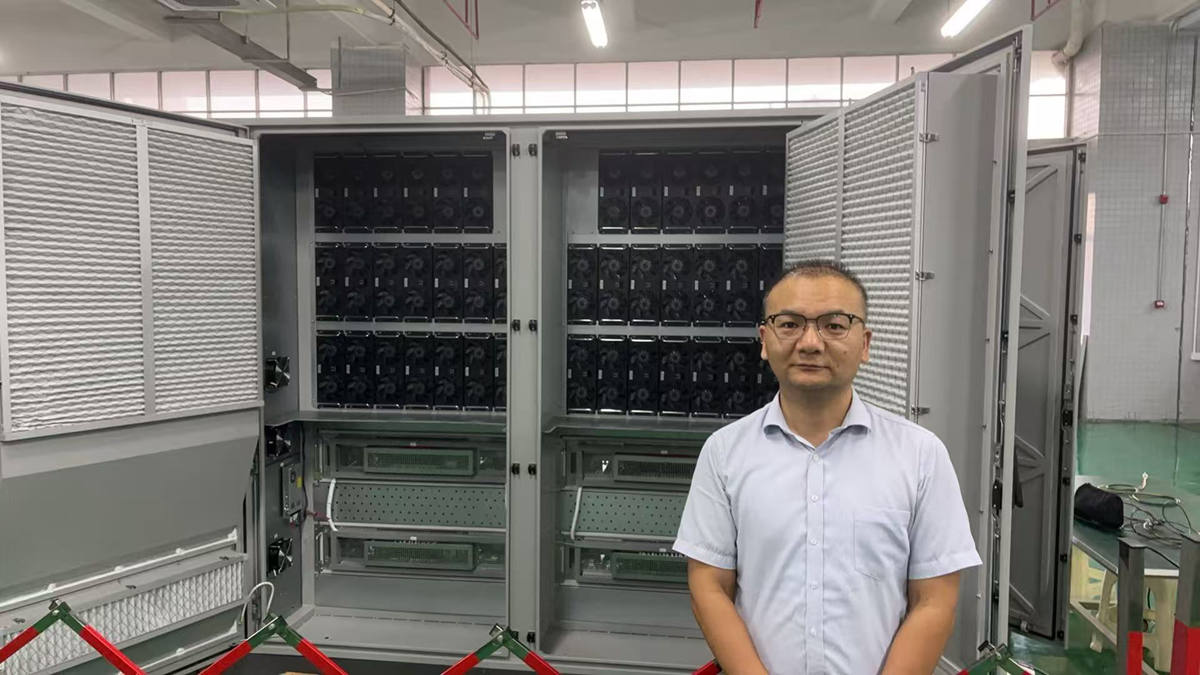

ALLBLUE visits Guangzhou Shoudian New Energy and Shenzhen Unite to explore high-power charging technology and supply chain developments.
As electric vehicles and other electrified applications continue to grow, EV charging infrastructure is moving toward higher power output, faster charging, and more integrated system designs. The focus is no longer limited to the power rating of individual products. Power architecture, control technology, thermal management, and supply chain coordination are becoming increasingly important to charging equipment manufacturers.
Last week, the ALLBLUE team visited Guangzhou Shoudian New Energy and Shenzhen Unite for discussions on EV charger control boards and charging system solutions. The visits provided an opportunity to learn more about current product developments and explore emerging trends in high-power charging.
Getting Closer to China's EV Charging Supply Chain
Charger control boards play an important role in equipment control, communication, and coordination between system components. As charging power increases, charging systems also face greater demands for control strategies, electrical safety, power management, and integration.
During the visits, the ALLBLUE team gained a closer look at the product offerings and technical approaches of both companies, with a focus on control boards and charging system solutions.
For ALLBLUE, direct engagement with manufacturers is an important part of understanding real-world applications, technical requirements, and sourcing opportunities. These insights help us better match products with customer specifications and support overseas customers looking to source electrical and electronic components from China.
Exploring 1.92MW and 3.2MW Liquid-Cooled Charging Systems
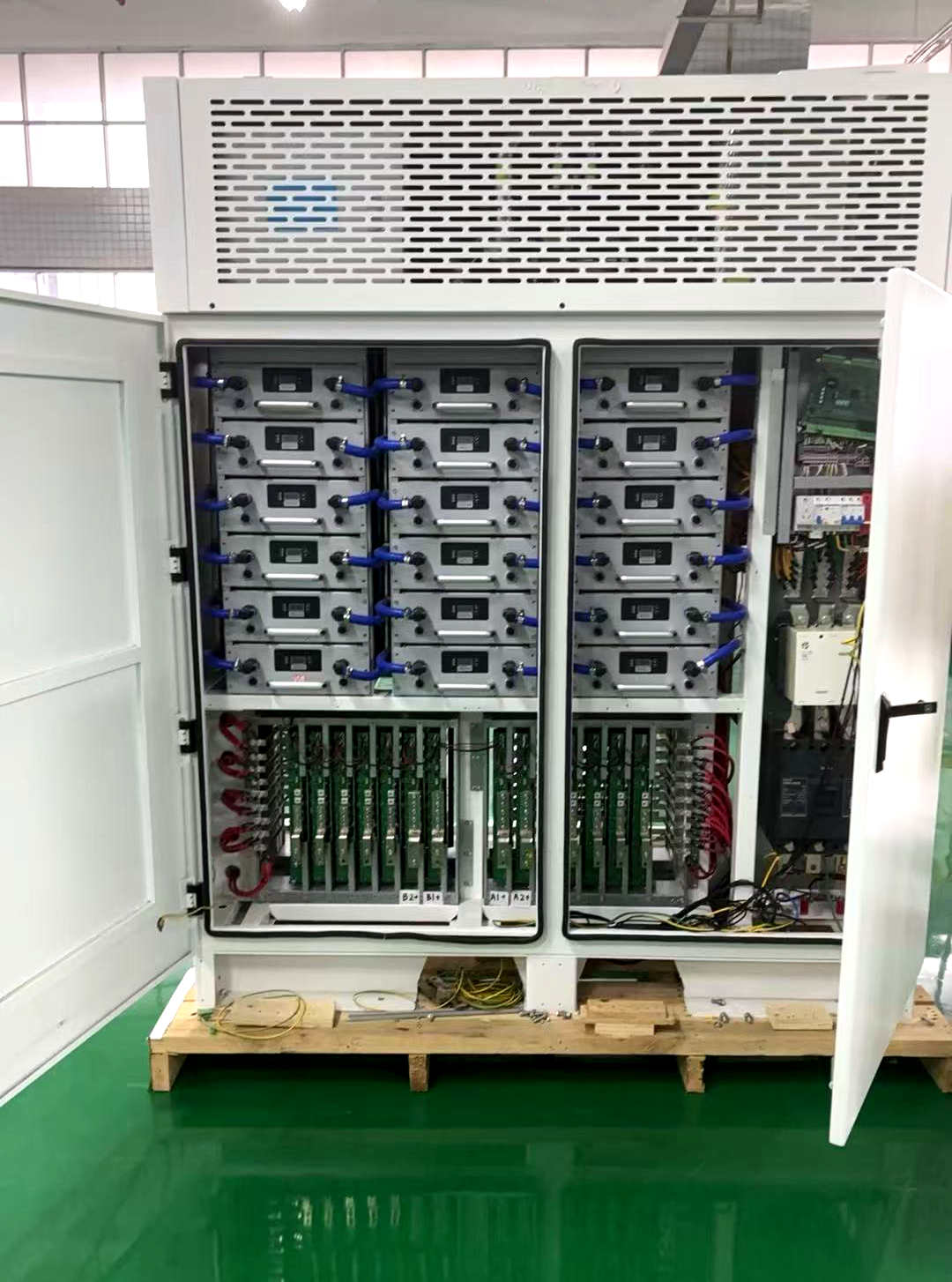
During the visit to Shenzhen Unite, the team took a closer look at high-power charging developments, including liquid-cooled charging station designs with system capacities of 1.92MW and 3.2MW.
At the megawatt scale, increasing power capacity is only part of the challenge. System architecture, power distribution, control coordination and thermal management all play important roles in overall performance.
40kW DC power modules remain an important building block in many high-power charging architectures. Depending on the system design, multiple modules can be combined to achieve higher output capacity, with system-level controls managing power distribution according to operating requirements.
This means that higher charging capacity does not necessarily depend on increasing the rating of a single module. Modular design, power allocation and system integration are equally important considerations.
For equipment manufacturers, selecting the right power modules and ensuring compatibility with the wider system are key steps in building reliable charging equipment.
Liquid Cooling: An Important Direction for High-Power Charging
As charging power and equipment integration increase, thermal management becomes a more demanding part of system design.
Compared with conventional air-cooling approaches, liquid cooling can remove heat in high-thermal-load applications and enable more compact equipment designs. It is therefore an important technology direction for high-power charging systems.
However, liquid-cooled designs also bring additional considerations, including coolant circulation, sealing reliability, maintenance, and lifecycle costs.
Balancing charging performance, system reliability, and commercial viability will remain a key challenge as the technology develops.
From modular 40kW power conversion to megawatt-scale liquid-cooled charging stations, the broader trend is clear: high-power charging increasingly depends on the combined performance of power electronics, electrical control, thermal management and system integration.
Connecting Chinese Manufacturing with Global Sourcing Needs
China has a broad supply base covering EV charging components, power electronics, electrical components and charging system technologies.
For overseas charging equipment manufacturers, finding suitable suppliers and balancing product specifications, cost, quality and lead times are important parts of product development and localized manufacturing.
ALLBLUE supports B2B customers by sourcing electrical and electronic components from China’s manufacturing supply chain. Our work includes supplier sourcing, product matching, technical specification coordination and procurement support across EV charging, energy storage and related power electronics applications.
By staying connected with manufacturers and following developments at the component and system levels, we aim to help customers identify suitable sourcing options based on their actual product requirements.
ALLBLUE will continue to follow developments in high-power charging, liquid-cooled ultra-fast charging and power electronics, strengthening the connection between Chinese manufacturing resources and global customer demand.
ALLBLUE — Connecting Chinese Supply Chains with Global Localization.