

Battery Energy Storage Systems (BESS) are used in a growing range of applications, from large-scale power grids to residential buildings and industrial facilities. They help balance electricity supply and demand, store renewable energy, reduce electricity costs, and provide backup power when needed.
But where are BESS actually used, and what does each application require from a battery system?
Here are seven major BESS applications and their specific requirements.
1. Grid-Scale Energy Storage
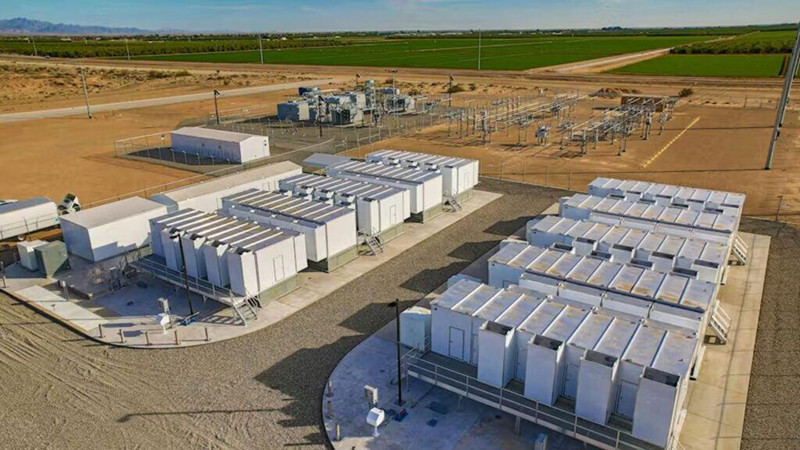
Grid-scale BESS are installed alongside power grids to support electricity transmission and distribution. Utilities use them to store electricity when supply exceeds demand and release it during peak consumption periods.
Common applications include peak shaving, frequency regulation, and grid stabilization.
Key battery requirements:
Large energy storage capacity (MWh level).
High power output and fast response.
Long cycle life for frequent operation.
Stable and reliable performance.
2. Commercial and Industrial Energy Storage
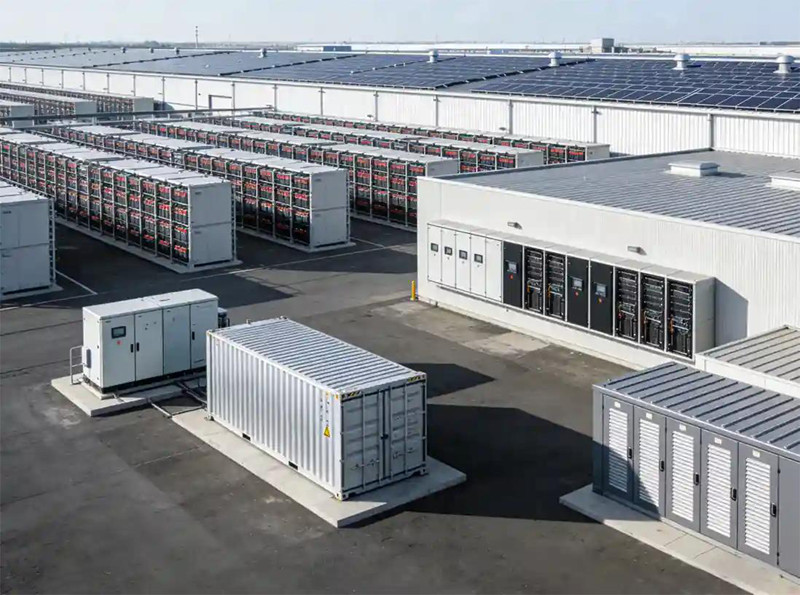
Commercial and Industrial (C&I) energy storage is widely used in factories, warehouses, shopping centers, and office buildings. Businesses use BESS to reduce electricity expenses, particularly where electricity prices vary between peak and off-peak periods.
Battery storage can also help reduce peak demand and improve energy management.
Key battery requirements:
Flexible capacity configurations.
High charging and discharging efficiency.
Long cycle life for daily operation.
Reliable performance under varying loads.
3. Residential Energy Storage
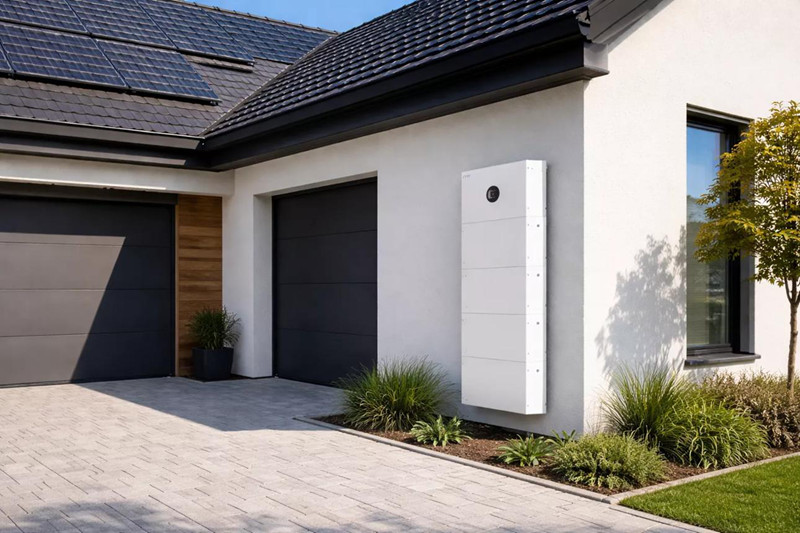
Residential BESS allows homeowners to store electricity for later use. It is commonly combined with rooftop solar panels, allowing households to use stored solar energy at night or during periods of low sunlight.
Home battery storage can also provide backup electricity during grid outages.
Key battery requirements:
Compact design and flexible installation.
High safety and reliability.
Suitable capacity for household consumption.
Long service life and low maintenance requirements.
4. Solar Energy Storage Systems
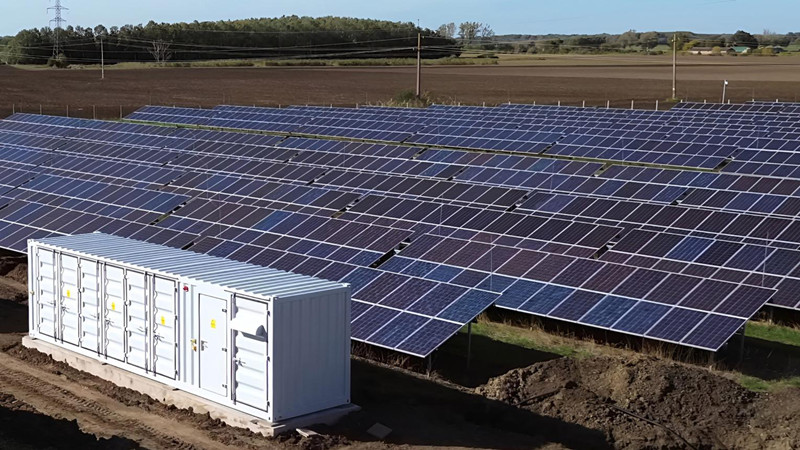
Solar energy production depends on sunlight, which means electricity generation does not always match consumption. A BESS stores excess solar power generated during the day and releases it when solar production decreases.
Solar-plus-storage systems are used in residential, commercial, and utility-scale solar projects to improve renewable energy utilization and reduce dependence on the grid.
Key battery requirements:
Sufficient energy storage capacity.
Good cycle life for regular daily charging and discharging.
Compatibility with solar inverters and energy management systems.
Stable performance under changing operating conditions.
5. Wind Energy Storage Systems
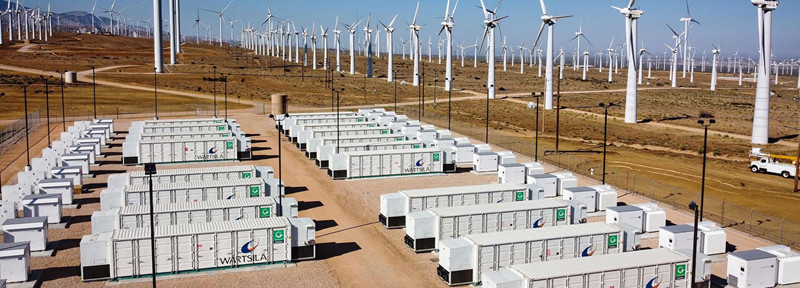
Wind power output varies with wind speed and weather conditions. Battery energy storage helps manage these fluctuations by storing excess electricity when wind generation is high and releasing it when output decreases or demand increases.
This makes wind-plus-storage projects more flexible and supports stable grid integration.
Key battery requirements:
High power handling capability.
Fast charging and discharging response.
Large storage capacity for renewable energy balancing.
Long-term operational reliability.
6. Microgrid Energy Storage
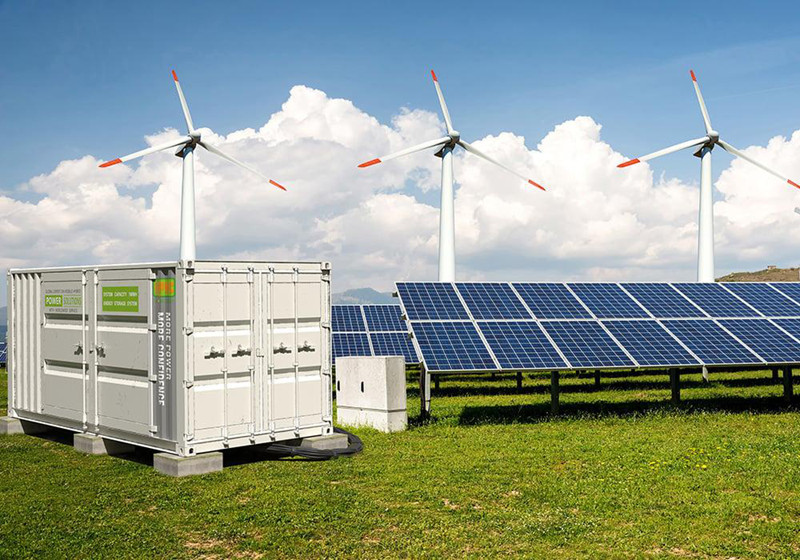
Microgrids are localized power networks that can operate connected to the main grid or independently. They are commonly found in remote communities, islands, industrial parks, and other areas where grid access is limited or unreliable.
BESS helps balance different energy sources, such as solar, wind, and diesel generators, while maintaining a stable local electricity supply.
Key battery requirements:
Flexible capacity and power configurations.
Compatibility with multiple energy sources.
Support for both grid-connected and off-grid operation.
Reliable performance in remote environments.
7. Backup Power and Emergency Power Supply
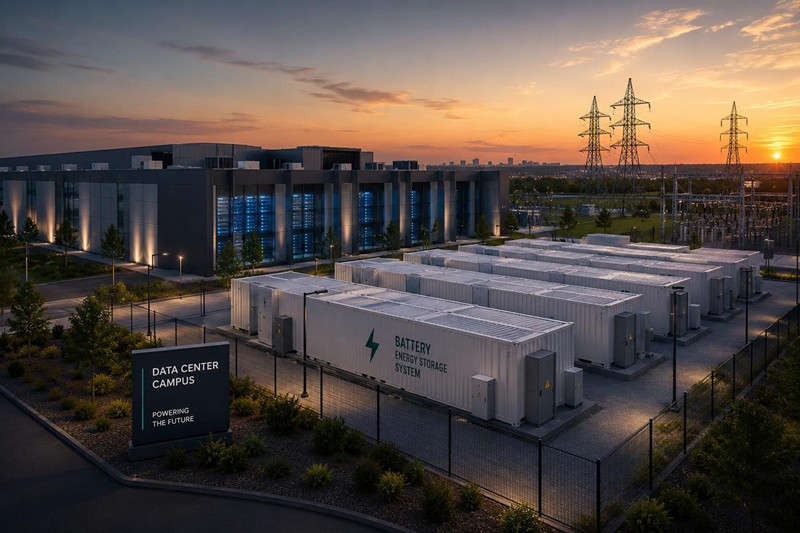
BESS can provide backup electricity for facilities that require a continuous power supply, including data centers, hospitals, telecommunications stations, and critical infrastructure.
When the main power supply fails, battery storage can provide rapid backup power, helping reduce downtime and protect essential equipment. It can also complement traditional diesel generators and UPS systems.
Key battery requirements:
Fast response and reliable power delivery.
Sufficient capacity for the required backup duration.
High safety and operational stability.
Reliable standby performance.
How to Choose a BESS for Different Applications?
| BESS Application | Primary Requirement |
|---|---|
| Grid-Scale Storage | Large capacity and grid stability |
| Commercial & Industrial | Peak shaving and cost reduction |
| Residential | Compact design and household energy independence |
| Solar Storage | Solar energy utilization |
| Wind Storage | Power fluctuation management |
| Microgrids | Flexible and independent power supply |
| Backup Power | Reliable emergency power supply |
Frequently Asked Questions About BESS Applications
1. What are the most common applications of BESS?
The most common BESS applications include grid-scale energy storage, commercial and industrial storage, residential energy storage, renewable energy integration, microgrids, and backup power.
2. Can BESS be used for both residential and industrial applications?
Yes. BESS can be configured for both residential and industrial projects. Residential systems generally require compact designs and smaller capacities, while industrial systems often need higher power output and larger storage capacity.
3. Why are batteries used with solar and wind power systems?
Solar and wind generation depends on weather conditions and may not match electricity demand. Battery storage helps capture excess renewable energy and release it when generation is low or demand increases.
4. Which battery type is commonly used in BESS applications?
Lithium Iron Phosphate (LFP) batteries are widely used in BESS because of their long cycle life, thermal stability, and safety characteristics. They are suitable for many residential, commercial, industrial, and grid-scale storage projects.
Finding Battery Solutions for Your BESS Project
Choosing the right battery cells is an important part of building a reliable energy storage system. ALLBLUE supports BESS projects with battery cell sourcing, including REPT LiFePO4 cells in 100Ah, 280Ah, and 314Ah capacities, as well as other specifications based on project requirements.
Whether you are developing a residential storage system, a commercial energy project, or a large-scale BESS installation, contact ALLBLUE to discuss your battery sourcing requirements.
Email: bd@allbluetech.com